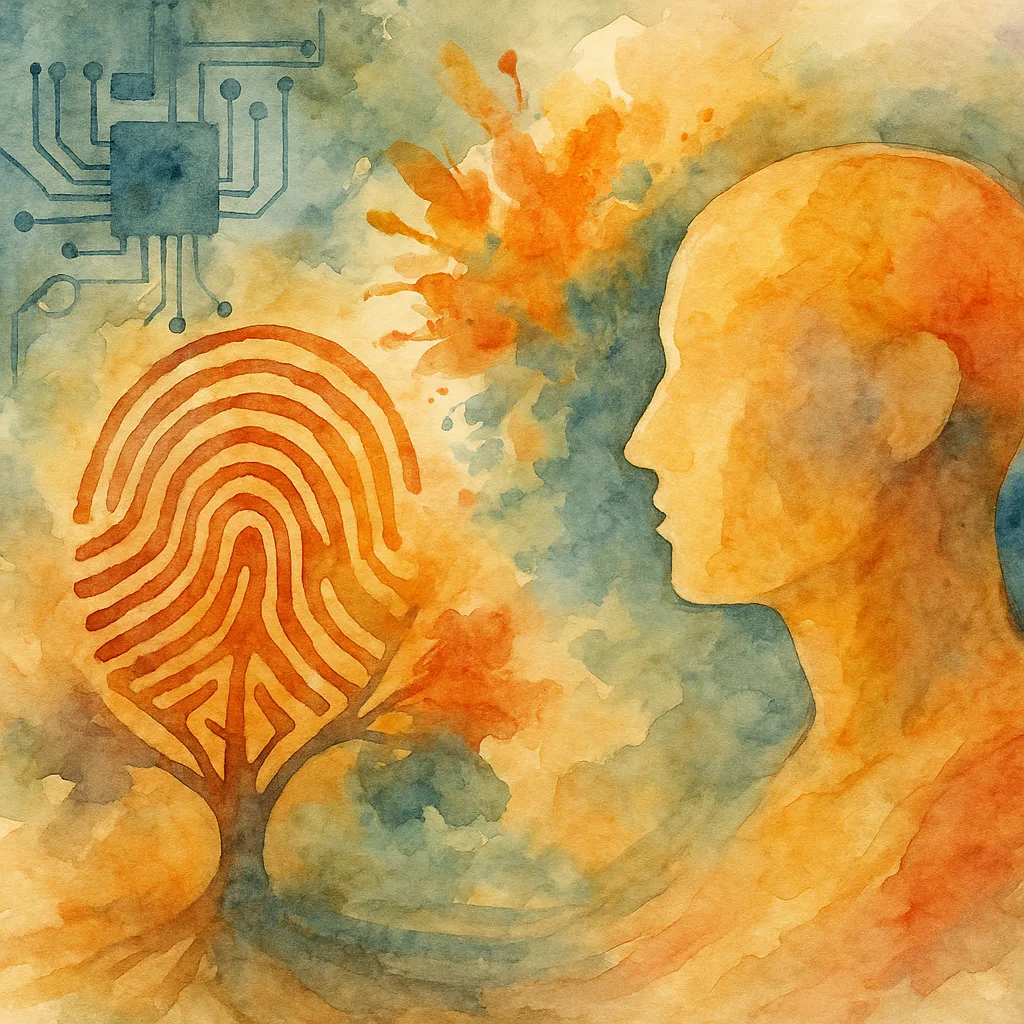
Source transcript: [[2026-04-24 Thoughts on Human Creativity in an Increasingly AI World - Transcript + Summary]]
Related research note: [[2026-04-24 Human Verification and Human-Created Media Authentication (Crypto + Provenance)]]
Your core ideas (cleanly extracted)
- Human-created work may become scarce in an AI-saturated future.
- Scarce human work may be seen as high-cost and high-intent (time, will, emotional investment).
- Human-only creative acts may be perceived as riskier compared to other forms of productivity.
- Society needs mechanisms to preserve and validate human creative potential before it is diluted.
- The opportunity is to build systems for human-authenticated creation, verification, and provenance.
- The key challenge is ensuring humans remain visible and meaningful inside an inevitable AI creation loop.
Strong writing thesis options
- Thesis A: In an AI-dominant era, the premium shifts from output quality alone to verifiable human intent.
- Thesis B: The next creative economy is not “human vs AI,” but “unverified output vs provenance-backed authorship.”
- Thesis C: Human creativity becomes culturally and economically valuable when it is both scarce and cryptographically attestable.
Memorable language from your transcript (for essay voice)
- “human-created art and creative products become scarce”
- “investment of both time and will”
- “extremely risky” creative commitment
- “preserve and validate human creative potential”
- “remain in the larger AI creation loop”
Writing directions you can develop
1) Cultural essay
How society revalues human effort when machine output is abundant.
2) Product thesis
What a “human-authenticated creativity” platform should actually do (identity, provenance, confidence scoring).
3) Policy lens
How standards and disclosures should distinguish human-origin, AI-assisted, and fully synthetic works.
4) Creator economy lens
How creators can price and position verifiable human work as premium trust goods.
First draft paragraph (publish-ready seed)
We are approaching a creative economy where output is abundant but authorship is uncertain. As AI-generated media scales, purely human-made work may become scarce—not because humans stop creating, but because human effort is harder to see. In that world, the value of creative work shifts from artifact alone to evidence of intent: the time, will, and risk carried by a person through the act of making. The next frontier is not anti-AI purity tests; it is human-authenticated creativity—systems that preserve, verify, and communicate meaningful human contribution within AI-assisted workflows.